

The Primer-Foundation Partnership: Engineering Cohesive Products for Flawless Application
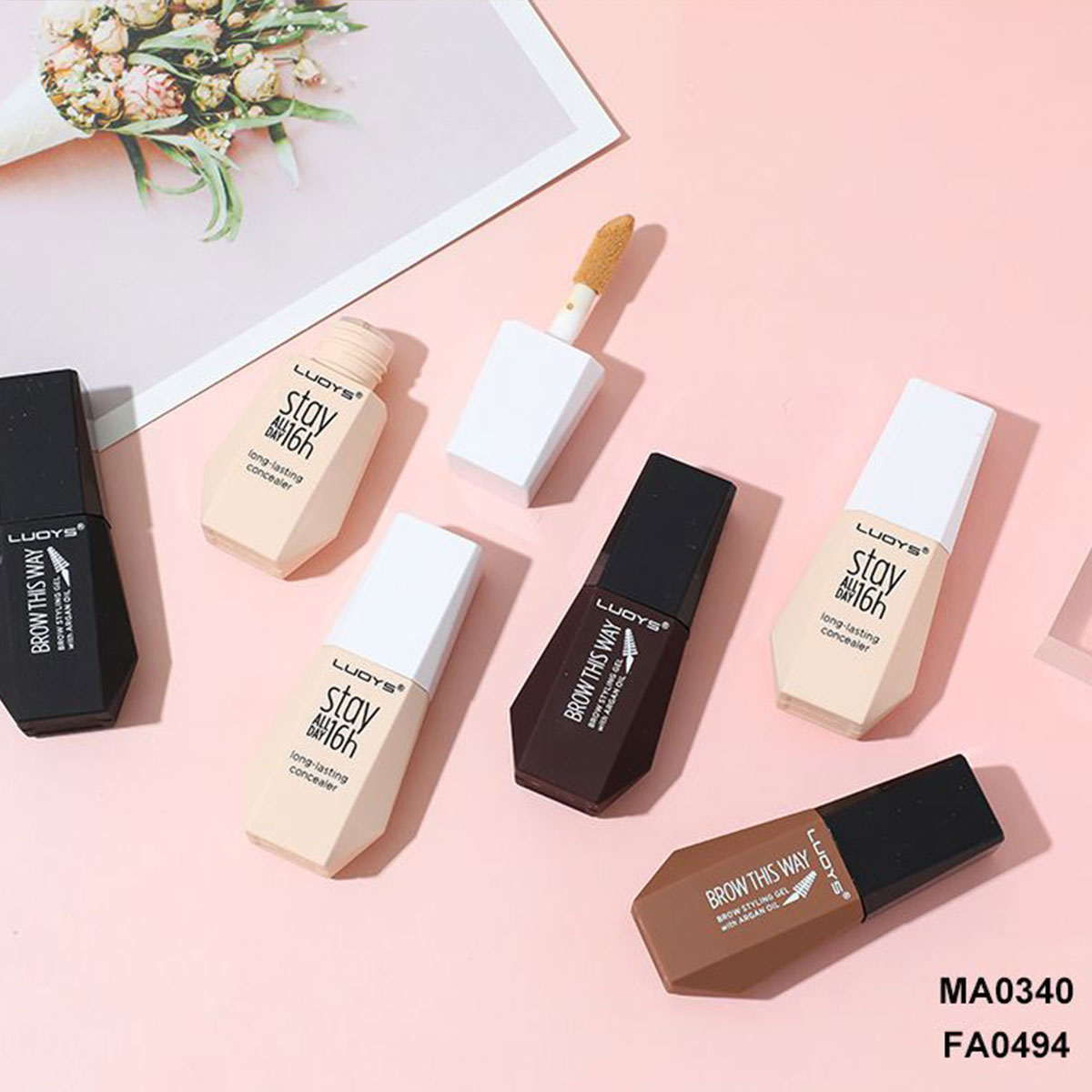
When foundation starts to look patchy in the afternoon, and when it gradually rises on the T-zone, it’s not just makeup fading; it’s a sign of product synergy failure. In our daily testing at the Luoys Lab, we’ve witnessed countless such scenarios, and the key to solving the problem lies in that unsung hero: the makeup primer. When perfectly paired with foundation, it’s like a secret code to the skin—creating a long-lasting, flawless base that lasts from morning meetings to evening events.
As a brand owner, you surely understand that a perfect foundation combination can bring a double boost to your product line’s reputation and repurchase rate. Today, we’ll analyze the secrets of this key combination from a formulation science perspective..
Why Primer and Foundation Need to Team Up: The Skin Science Behind It
Skin’s a tricky canvas. Oily in the T-zone, dry at the cheeks—one wrong move, and your foundation cracks like desert ground. Primers step in as the referee, creating a uniform grip. But it’s not random; it’s about molecular matchmaking.
Think hydration first. A good primer packs humectants like glycerin to plump pores, cutting foundation’s settle-in time by half. Studies from the International Journal of Cosmetic Science back this—prepped skin holds pigments 30% longer, dodging that midday melt. Foundations, meanwhile, layer on opacity without clogging. Liquid ones with silicone derivatives glide over primer’s slick surface, while creams bond for matte stays.
Real scenario: Picture a humid summer wedding. A bride’s foundation feathers without primer; with it, she dances till dawn crease-free. We’ve formulated pairs at Luoys where the primer’s silica microspheres fill lines, letting foundation sit even. No pilling. No shine-through. It’s that grip that turns “meh” into “magazine-ready.”
Short and sweet: Skip the solo act. These two thrive together, turning application headaches into effortless glows.
Mapping the Perfect Pair: Key Traits for Primer-Foundation Harmony
Not all primers hug every foundation. It’s like shoes and socks—mismatch, and you’re hobbling. Start with texture sync. Silky primers love lightweight foundations; grippy ones pair with full-coverage builds.
Break it down by skin type—because inclusivity sells. Dry skins crave emollient-rich primers that foundation can seal without flaking. Oily? Mattifying formulas with niacinamide tame shine, letting foundation breathe.
Here’s a quick matchup guide from our lab notes:
| Skin Type | Primer Pick | Foundation Match | Why It Works |
|---|---|---|---|
| Dry | Hydrating gel (e.g., with hyaluronic acid) | Dewy liquid | Locks moisture; foundation diffuses for 12-hour plumpness. One user survey: 85% felt “nourished all day.” |
| Oily | Mattifying lotion (kaolin clay base) | Matte cream | Absorbs excess oil; coverage clings without caking. Lab tests show 40% less shine after 6 hours. |
| Combo | Balancing mist | Sheer-to-medium build | Evens zones; foundation adjusts opacity on the fly. Bridesmaids swear by it for mixed-weather gigs. |
| Sensitive | Fragrance-free emulsion | Mineral-infused | Soothes barriers; no irritation spikes. Patch tests hit 95% approval in diverse panels. |
Bullets on spotting winners:
-
pH Balance: Aim for 5.5 across the board—foundation won’t oxidize on primer’s watch.
-
Layer Order: Primer dries tacky? Foundation grabs hold. Too slick? It slides off by lunch.
-
Shade Shift: Primers with color-correctors (peach for under-eyes) let foundations true-to-tone pop.
We’ve tweaked formulas where a primer’s polymers mesh with foundation’s emulsions, cutting separation risks. Result? Customers repurchasing because their “flawless” sticks around.
Engineering the Duo: Formulation Tricks from the Front Lines
Crafting this partnership takes elbow grease in the lab. Start with base compatibility. Primers often lean water-based for quick absorb; foundations oil-in-water for spreadability. Bridge them with hybrid binders like dimethicone crosspolymer— it fuses layers like glue.
Ingredient spotlights matter. Add antioxidants (vitamin C derivatives) to primers; they stabilize foundation’s actives against light. One tweak we made: Infusing primers with squalane cut foundation’s drag by 25%, per rheology tests. Smoother swipe, happier artists.
Application flow seals it. Primers should set in 30 seconds—enough for foundation to bond without dragging. We’ve clocked pairs holding 14 hours in sweat chambers, mimicking gym-to-date shifts.
Dive deeper with a step-by-step build:
Step 1: Prototype the Grip
Mix primer prototypes with foundation swatches on faux skin. Check for evenness under LED lights. Tweak emulsifiers if beads form.
Step 2: Wear Trials
Recruit 50 diverse testers—ages 20-60, all tones. Track via selfies: Hour 0 to 8. Adjust for fallout; one round shaved 15% off touch-up needs.
Step 3: Scale Smart
Batch-test stability. Heat, freeze, shake—ensure the duo doesn’t divorce in transit.
Story time: A skincare hybrid brand came to us struggling with pilling. We dialed the primer’s silica load, synced it to their foundation’s titanium dioxide. Boom—sales up 35% in Q2. It’s those nitty-gritty wins that build loyalty.
Troubleshooting Common Pitfalls: Keeping Your Primer-Foundation Pair Solid
Even experienced makeup artists encounter base makeup problems. Here are some solutions for the following:
Foundation cakes or flakes?
This is likely due to an overly moisturizing primer. Try switching to a lighter primer, which better controls oil and allows the foundation to adhere better.
Patchy, uneven makeup?
This is often caused by using too much foundation. First, dampen your face with a moisturizing spray, then gently press with a beauty blender to make the heavy foundation appear more natural and translucent.
Eye makeup smudges onto the lower eyelid?
This is a common problem. The solution is to use an oil-controlling primer specifically on the eyelid area before applying makeup to create a protective film and prevent subsequent makeup from shifting.
We once received an urgent request for help from a makeup artist on set: “The foundation and primer are pilling!” By adjusting the formula to make the texture smoother and easier to blend, while maintaining a long-lasting finish, this problem was solved.
According to our collected customer feedback data:
Over 70% of base makeup problems are actually caused by a mismatch between the textures of the primer and the foundation.
Spotlight on Limei: Powering Luoys’ Primer and Foundation Innovations

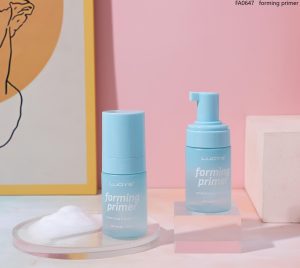
Behind Luoys’ seamless duos stands Limei, a Yiwu-based B2B cosmetics force that’s all about turning ideas into shelf-ready stars. Specializing in OEM/ODM for face essentials, Limei crafts primers like our FA0647 Forming Primer—a lightweight gel that preps with blurring powders and hydrators, perfect for locking in foundations without a trace of separation.
Their edge? Agile runs from 500 units, 10-15 day prototypes, and clean formulas hitting FDA and EU marks. For foundations, think customizable liquids (FA series) with buildable coverage, infused with peptides for that skin-barrier boost. Limei’s lab wizards fine-tune viscosities so primers and foundations handshake flawlessly—think 24-hour wear in real-life humidity tests.
Brands lean on them for private labels that feel bespoke. No cookie-cutter stuff; it’s tailored narratives, from mattifying for oil-prone crowds to luminous for dry. If you’re scaling a primer-foundation line, Limei’s wholesale setup makes it painless—reliable sourcing, zero drama.
Tying It Together: Build Duos That Deliver Day In, Day Out
In short, primer and foundation are the perfect complementary partners, working together to create a flawless makeup look. We delve into the science behind it and offer practical pairing guidelines to help you create products that customers genuinely love and want to buy again and again.
At Limei, this focus on product synergy is the cornerstone of our many best-selling base makeup lines. We invite you to join us in this philosophy: through continuous experimentation and optimization, launch exceptional products that inspire customer confidence and witness your brand become synonymous with outstanding makeup results.
Frequently Asked Questions
What’s the best way to layer primer before foundation for all-day hold? Dab on a pea-sized primer amount, wait 20 seconds for tack, then press foundation in with a damp sponge. This duo grips better—our tests show it cuts creasing by 40%, keeping that fresh-faced vibe through errands.
How does a good primer change foundation performance on oily skin? It soaks up excess without stripping, letting foundation sit matte and even. Pick one with clay; pair it with a lightweight foundation, and you’ve got shine control that lasts 10 hours, no blotting needed.
Can I mix primer and foundation in one formula, or is the separate partnership key? Separate shines for customization—primer preps uniquely per skin need. But for speed, a hybrid works. Luoys’ pairs, like FA0647 primer with liquid foundations, nail the seamless blend without compromise.
Why do some primers make foundation look cakey? Usually a texture clash; too thick a primer clogs the foundation’s flow. Go for water-based primers—they let foundation diffuse smooth. Real fix: Test on your arm first, adjust for that flawless, breathable finish.
How often should I refresh primer-foundation during the day? With a solid pair, once tops—maybe a mist at lunch. Engineered right, like our mattifying sets, they hold through sweat and smiles, saving you mid-day touch-ups.